
Reviewed · MOMO MAKING CLASSES
Momo, Dhalbhat & Thukpa Cooking Class, Nepal
The best part of this Kathmandu cooking class happens before the stove heats up. Esther Rai takes you through a local vegetable market, where you can meet sellers, see the ingredients used in Nepali kitchens, and help choose what goes into the meal. Then you return near Patan Durbar Square to cook and eat.
I like the small group limit of 10 and the setting just five minutes from Patan Durbar Square. I also like that the menu can include momos, dal bhat, thukpa, or a dish requested in advance. One thing to keep in mind: some preparation may already be done, so you may not handle every step from start to finish.
Key points
- Market first: Shop for vegetables and other ingredients while speaking with local sellers.
- Three classic dishes: Learn to prepare momos, dal bhat, and thukpa, with other dishes possible by request.
- Patan location: The class begins in Nagabahal, about five minutes from Patan Durbar Square.
- Personal teaching: Esther Rai brings a family connection to cooking and explains food, customs, and daily life.
- Small groups: The class accepts no more than 10 people, which leaves more room for hands-on work.
- Meal included: You eat the food you prepare once cooking is finished.
A cooking class rooted in Patan’s everyday life
Kathmandu has plenty of places to eat Nepali food. A cooking class gives you something different: a way to understand what is on the plate, where the ingredients come from, and how a family meal comes together.
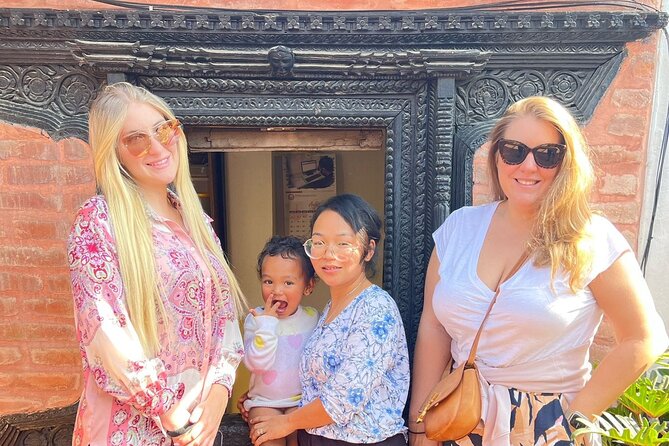
This experience takes place in Lalitpur, the city commonly called Patan, rather than in the busy Thamel area. The meeting point is Nagabahal, in Nyadha Galli, close to Patan Durbar Square and the Golden Temple, also known as Hiranya Varna Mahavihar. That location matters. You are not simply attending a class in a generic kitchen. You begin in one of the most interesting parts of the Kathmandu Valley, where a market visit and nearby cultural sights can fit naturally into the same morning.
Esther Rai teaches the class. Her interest in cooking began at home, where she spent time in the kitchen with her mother and sister. She began offering cooking classes during the COVID-19 period as a way to support her family. That background gives the experience a personal purpose, and the class is built around sharing home-style cooking rather than presenting a formal restaurant demonstration.
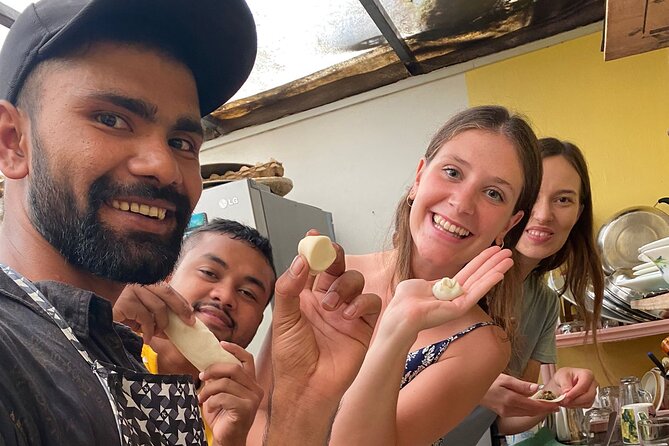
The tone is practical and social. You learn by helping, asking questions, shaping food, and sitting down to eat. Esther also talks about Nepali customs, family life, and subjects such as education, so the class reaches beyond recipes.
More Cooking Classes in Kathmandu
- Half day cooking class in Thamel kathmandu
★ 5.0 · 607 reviews - Kathmandu: Local Women-Led Nepali Cooking & Momo Class
★ 4.9 · 360 reviews - Kathmandu: Local Lead Nepali Cooking & Momo-Making Class
★ 5.0 · 212 reviews
The local market visit comes first
The morning begins at a nearby local vegetable market. This is a useful choice because it puts the dishes in context before you start preparing them. You can see the vegetables and other ingredients, speak with sellers, and take part in choosing what will be used.
I like this part because it connects the cooking to ordinary life in Patan. A recipe on a printed card tells you what to buy. A market visit shows you how food is selected and discussed in a local setting. It also gives you an early chance to ask Esther about unfamiliar spices, vegetables, and the ingredients used in the day’s menu.
The market stop is not presented as a separate sightseeing tour, so you should think of it as a working visit rather than a long guided attraction. Its value is in the contact with local sellers and the link between shopping and cooking. If you enjoy taking photographs, ask before photographing people.
The menu can vary. The core dishes are momos, dal bhat, and thukpa, while the class can also respond to a guest request. The exact combination may depend on the group and the ingredients available that day. One cooking session included chicken curry with dal bhat, along with momos, which shows that the class is not limited to one fixed set of recipes.
Golden Temple and the Patan setting
The listed route includes the Golden Temple and Patan, or Lalitpur. The class meeting point is close to both, and the location is about a five-minute walk from Patan Durbar Square.
The Golden Temple is a Buddhist courtyard complex with a strong connection to Patan’s traditional architecture and religious life. It gives you a quick cultural anchor before or after the food experience. Patan Durbar Square is also a practical place to spend extra time, with historic buildings and courtyards nearby.
Do not expect this to be a full guided tour of Patan’s monuments. The main purpose is cooking, and the cultural information supports that experience. Still, the setting makes the class more rewarding than one held far from the old city. You can arrange your morning around the class and explore the square independently before or afterward.
The close location also helps if you are staying in or near central Kathmandu. Public transportation is nearby, and the activity returns to the starting point, so you do not need to arrange a separate end transfer. The meeting point is specific, Nagabahal, Nyadha Galli, Lalitpur 44600, Nepal. Check the directions carefully before setting out.
Making momos by hand
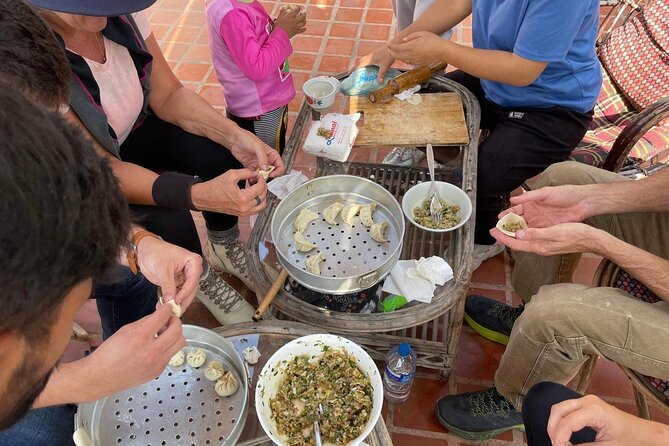
Momos are Nepal’s best-known dumplings, and they are often the dish people most want to learn. The class gives you a chance to practice making them rather than simply watching someone else do the work.
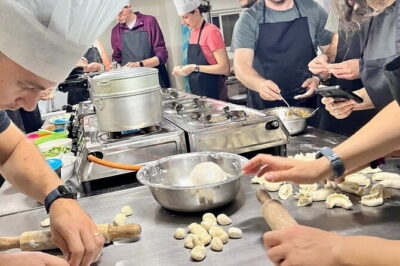
You can expect guidance through the preparation and shaping process, followed by cooking and eating the finished dumplings. The class is suited to first-time cooks, and Esther explains the steps in a friendly, direct way. Her helper may also assist during the session.
Momo-making can be more involved than it looks. Shaping the dough takes a little practice, and your first dumplings may not look like the neat ones served in restaurants. That is part of the fun. I would value the chance to make a few imperfect ones over a polished demonstration where I never touch the food.
The main caution is that not every stage may be fully hands-on. Some ingredients or preparation may already be completed before you begin. If learning each technical step matters to you, ask at the start which parts you will prepare yourself. That simple question helps set the right expectation.
More Momo Making Classes in Kathmandu
- Kathmandu: Traditional Momo Making Class & Pickup
★ 4.8 · 60 reviews - Traditional Nepali Momo Making Classes
★ 5.0 · 53 reviews - Kathmandu: Local Women-Lead Nepali Cooking & Momo Class
★ 4.9 · 45 reviews - Kathmandu: Local Lead Nepali Cooking & Momo Making Class
★ 4.9 · 40 reviews
Dal bhat, thukpa, and the meal at the end
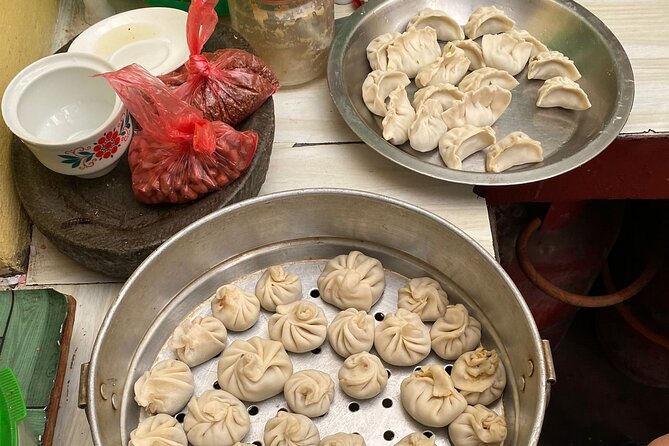
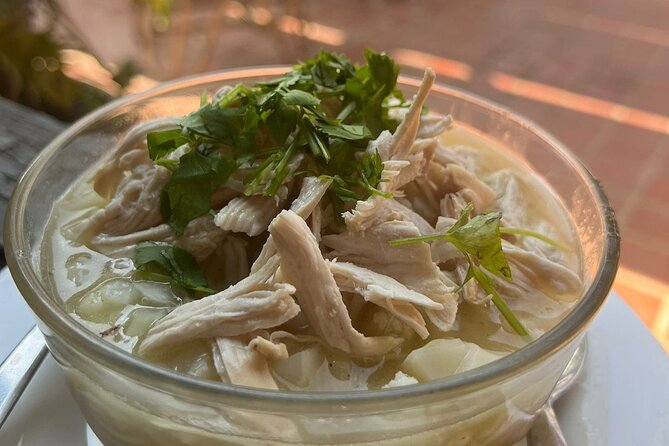
Dal bhat is the everyday Nepali combination of lentil soup, rice, and accompanying dishes. It is less a single recipe than a complete meal, and learning it helps you understand a basic part of food culture in Nepal.
Thukpa is a noodle soup associated with Himalayan food traditions. Together with momos and dal bhat, it gives you a broad introduction to Nepali cooking: dumplings, a rice-and-lentil meal, and a warming noodle dish.
The class teaches and practices these dishes, then serves the food once it is cooked. That final meal is an important part of the experience. You do not simply leave with notes and a few samples. You sit down and eat what you helped prepare.
The food has been a major strength of the experience. The dishes are described as flavorful, with new spices and a full meal rather than a token tasting. One participant particularly praised the dal bhat, while another described the food as the best part of a Nepal trip. I would treat those reactions as a sign that the cooking is taken seriously, but your result will still depend on the menu, ingredients, and how much you participate.
Ask about spice levels and dietary needs before cooking begins. The supplied information does not promise vegetarian, vegan, gluten-free, or allergy-specific menus, so do not assume that a requested adaptation is available without checking.
What the teaching style feels like
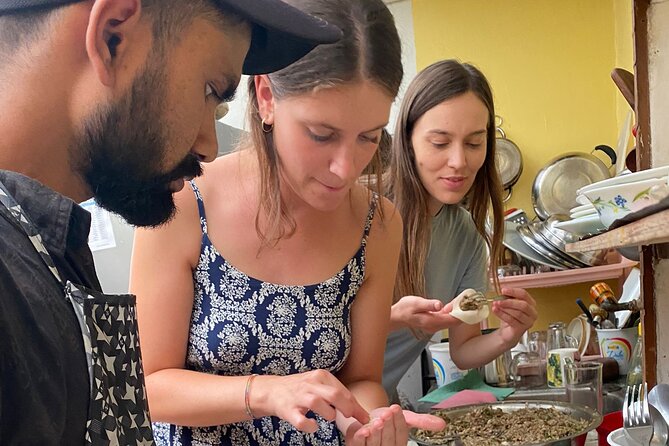
Esther’s approach is personal and welcoming. She learned to cook alongside her mother and sister, and she enjoys sharing food with people who appreciate it. That family link shapes the tone of the class.
You are likely to hear more than recipe instructions. The class can include discussion of Nepali customs, family, education, and everyday life. These conversations help explain why certain foods matter and how cooking fits into a household.
The experience also includes a sense of hospitality. The cooking space has been described as a pleasant rooftop setting, and Esther’s family has welcomed people into the home. You should think of this as a home-based food experience rather than a professional culinary school.
That distinction is important. If you want exact measurements, formal technique, and a polished demonstration, this may feel informal. If you want to cook with a local host, ask questions, and share a meal in a relaxed setting, the style should suit you well.
Esther may be assisted by Amos or another helper. The available information names Amos in connection with the class, but Esther is the central host and teacher. Her ability to explain both food and local life is one of the main reasons to choose this experience.
The value of $25 and three hours
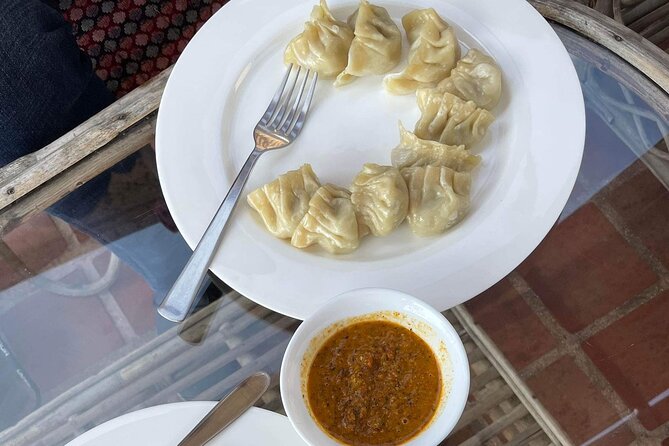
At $25 per person, the class offers more than a meal. The price includes a market visit, instruction, ingredients for the cooking session, and the food you prepare and eat. It also gives you a few hours with a local host near one of Patan’s most important cultural areas.
The value is strongest if you take part actively. Help select ingredients, ask about spices, shape the momos, and stay involved during the cooking. If you sit back while the preparation is done for you, the class becomes closer to a hosted meal with a demonstration.
The three-hour length is enough for a market visit, cooking, and a shared meal without taking up an entire day. It also leaves time to explore Patan Durbar Square or the Golden Temple before heading elsewhere in Kathmandu.
The group limit is 10 people. That is not an especially tiny private lesson, but it is small enough to be more personal than a large food tour. The class should work well for solo visitors, couples, families, and friends who want to meet others while cooking.
The experience is booked, on average, six days ahead. That is a useful planning guide, especially if you have a short stay in Kathmandu or want a particular morning. Mobile tickets make it simple to keep the booking on your phone.
Who should book this experience
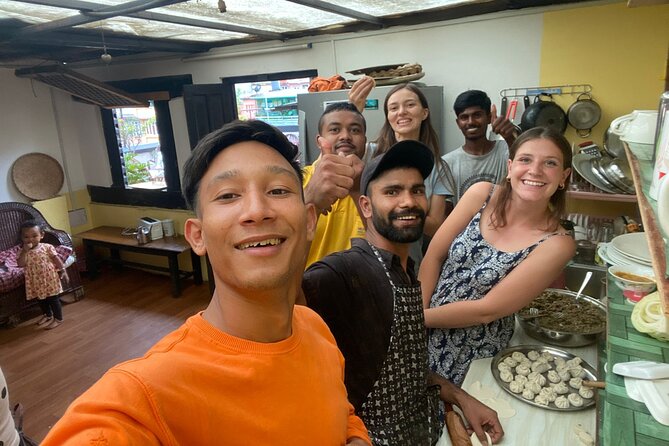
I would recommend this class to you if food is one of your main ways of understanding a place. It suits first-time visitors who want an introduction to Nepali cooking, as well as returning visitors who want time in a family kitchen rather than another restaurant meal.
It is also a good match if you are staying around Patan or already planning to visit the old city. The nearby location lets you combine food with the Golden Temple and Patan Durbar Square without spending much of the day in transit.
Families may appreciate the practical format, since shaping momos and shopping for ingredients can involve several people. Couples and solo visitors should also find the small group size comfortable. The shared meal creates an easy setting for conversation.
I would be more cautious if you need a strictly timed itinerary, formal culinary instruction, or guaranteed control over every ingredient. The class is friendly and flexible, but some preparation may be completed before you arrive. Guests with allergies or strict dietary rules should contact the provider before booking.
Practical details before you go
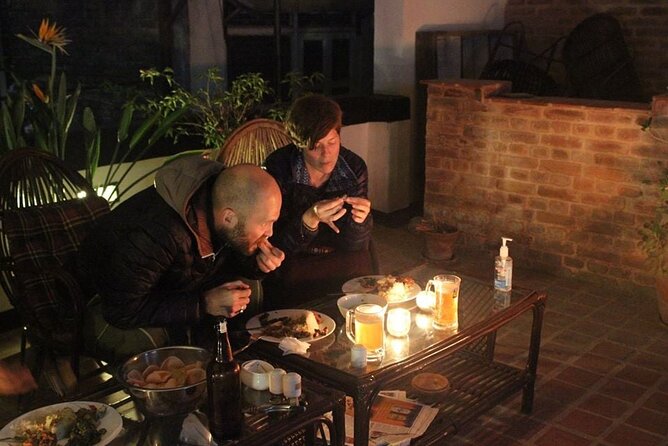
The experience lasts about three hours and begins and ends at Nagabahal, Nyadha Galli, Lalitpur 44600. It is near public transportation, and the location is about five minutes on foot from Patan Durbar Square.
Confirmation is provided at booking. The maximum group size is 10 people. Since the class requires good weather, poor conditions can lead to a different date or a full refund.
Cancellation is free up to 24 hours before the start time. Canceling or changing the booking within 24 hours normally means no refund, so check the local start time before making changes.
Wear clothes that are comfortable for cooking. The supplied details do not specify protective clothing or special equipment, so avoid bringing anything you would worry about around food preparation. Most of all, arrive ready to participate. The more questions you ask and the more tasks you take on, the more useful the class will be.
My verdict on this Patan cooking class
Book it if you want a friendly, local introduction to Nepali food with a market visit and a shared meal. Esther’s personal story, the convenient Patan setting, and the chance to prepare momos, dal bhat, and thukpa give the experience real substance for $25.
Go in knowing that it is a home-style class, not a polished culinary workshop. Some preparation may already be done, and the exact menu can vary. For most people, that informal approach is part of the appeal. You get food, conversation, and a better sense of everyday Nepal in one three-hour outing.
FAQ
Where does the cooking class meet?
The class meets at Nagabahal, Nyadha Galli, Lalitpur 44600, Nepal. It ends back at the same meeting point.
How long does the experience last?
The cooking class lasts approximately three hours, including the market visit, cooking, and meal.
What dishes can I learn to cook?
The main dishes are momos, dal bhat, and thukpa. Menu options can also be arranged according to a guest request.
Does the experience include a market visit?
Yes. You visit a local vegetable market, interact with sellers, and help buy ingredients before the cooking begins.
How many people can join the class?
The activity has a maximum of 10 participants.
What is the cancellation policy?
You can cancel at least 24 hours before the start time for a full refund. Cancellations or changes made less than 24 hours before the start time are not refunded. If poor weather causes the class to be canceled, you are offered another date or a full refund.
More Workshops in Kathmandu
- Knife (Khukuri) Making Workshop- Forge of the Gurkhas
★ 5.0 · 143 reviews - The best Private Nepali Cooking Class in Kathmandu
★ 5.0 · 83 reviews - Knife Khukuri Making Workshop
★ 4.9 · 38 reviews - Best Nepali Cooking Class in Thamel with Local Market Trip
★ 5.0 · 26 reviews
Just added around Kathmandu
- Women Empowerment Project(Nepali cooking class & jewelry workshop★ 5.0 · 15 reviews
- Manthali Airport (Ramechhap) To Kathmandu – Transport Service★ 4.5 · 11 reviews
- Amazing 1 Day Trekking Experience in Kathmandu Nepal★ 5.0 · 24 reviews
- Walking tour of Kathmandu with awesome local guides★ 5.0 · 4 reviews
- Walking tour of real Kathmandu through back streets.★ 5.0 · 3 reviews
- Private Manaslu Circuit Trek at Himalayas★ 5.0 · 3 reviews
- Walking Street Food Tour in Kathmandu★ 5.0 · 111 reviews
- Kathmandu Street Food Walking Tour – Eat Like a Local★ 5.0 · 3 reviews
Momo Making Classes, compared.
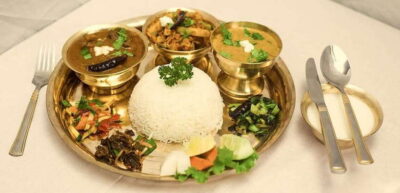
Nepalese Momos or Dal Bhat Cooking Class (Cook with Delight)
Read our review →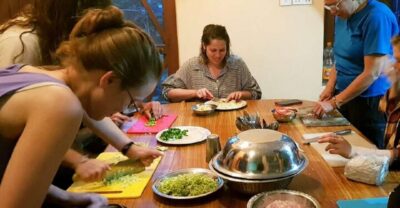
Nepalese Kitchen in Pokhara: Momos or Dal Bhat Cooking Class
Read our review →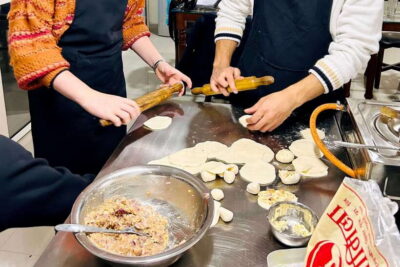
Browse the lists this tour appears in