
Reviewed · MOMO MAKING CLASSES
Kathmandu: Local Women Lead Nepali Cooking & Momo-Making Class
Kathmandu’s best souvenir may be a recipe you can cook at home. This three-hour Thamel cooking class takes you to a local market, lets you help select ingredients, and then puts you beside local women instructors to make Nepali dishes from scratch. The momo-making is the hands-on centerpiece, but dal bhat, carrot pudding, and Nepali masala tea may also join the menu.
I like two things right away: you do not simply watch a chef perform, and the meal begins with shopping for ingredients. I also like the small maximum of eight people, which gives the class a more personal feel and makes it easier to get help with dough, spices, and cooking methods. The one consideration is that a three-hour session moves quickly, especially if you want to prepare several dishes.
Key points to know before booking
- You shop for ingredients first: The market or shop visit gives you a look at the everyday building blocks of Nepali food before cooking begins.
- Momos receive hands-on attention: You learn to knead dough, prepare fillings, and shape the famous Nepali dumplings.
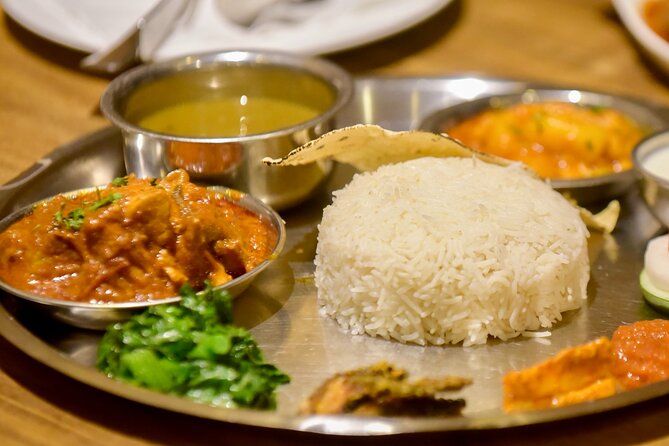
- The menu can be flexible: Past menus have included momos, dal bhat, carrot pudding, and Nepali masala tea, with participants able to choose dishes.
- Local women lead the class: The instruction connects cooking methods with family-style Nepali traditions.
- The group stays small: A maximum of eight people makes it easier to ask questions and work directly with the instructor.
- The $35 price includes the meal: Ingredients, equipment, instruction, tea, and tasting are included, with hotel pickup and drop-off available if you select that option.
Why a Thamel cooking class is worth your morning
Thamel can feel like a whirl of restaurants, trekking shops, cafés, and narrow streets. A cooking class gives you a reason to slow down and pay attention to what goes into the food on your plate.
The class begins at Kathmandu Cooking Academy on Yapikhya Marg in Thamel. You can meet there directly, or choose the option with hotel pickup and drop-off. Since the activity ends back at the meeting point, it is easy to fit into a day spent around central Kathmandu.
I especially like that the lesson does not begin with a pile of premeasured ingredients. Instead, you visit a local market or shop to buy what you need. That small step adds useful context. You see the produce, spices, and staples before they are chopped, mixed, or cooked, and you get a better sense of how Nepali meals are assembled in daily life.
The market stop is not presented as a sightseeing attraction. It is practical. You are there to gather ingredients, but the errand also helps connect the final meal to the food shops of Kathmandu. For someone who normally sees dishes only after they reach a restaurant table, this is a worthwhile change of pace.
More Cooking Classes in Kathmandu
- Half day cooking class in Thamel kathmandu
★ 5.0 · 607 reviews - Kathmandu: Local Women-Led Nepali Cooking & Momo Class
★ 4.9 · 360 reviews - Kathmandu: Local Lead Nepali Cooking & Momo-Making Class
★ 5.0 · 212 reviews
Buying ingredients in the local market
The market portion is likely to be the least structured part of the morning, which is also part of its appeal. The supplied information does not give a fixed market name or a detailed shopping list, so you should expect a guided ingredient stop rather than a long market tour with a set route.
You will see the basic materials needed for the chosen menu and learn how they fit into Nepali cooking. The point is not to collect exotic ingredients for display. It is to understand what you are buying and why it belongs in the meal.
One useful feature is the chance to choose from menu options. Past participants have selected dishes that included momos, dal bhat, and carrot pudding. That flexibility matters if you have already eaten one of these foods several times in Kathmandu, or if you want to focus on a dish you have never tried making.
The market visit also gives you a chance to ask questions before the cooking starts. If you are curious about spices, vegetables, or the ingredients used in momo filling, this is the right moment to ask. Once the class begins, the pace may pick up as chopping, kneading, and cooking happen together.
Making momos from dough to plate
Momos are the natural star of this class. These filled dumplings are one of Nepal’s most familiar foods, and making them yourself reveals why a good momo depends on more than the filling.
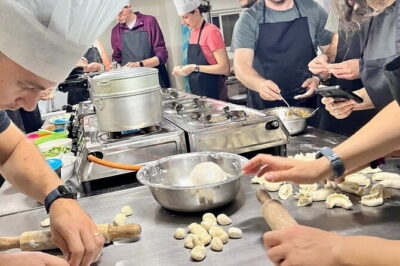
You will work with dough, learn how to prepare the filling, and practice shaping the dumplings. The folds can look simple when an experienced cook makes them. Your first few may look less tidy. That is normal, and the small group makes it easier to receive direct help from the instructor.
I like this part because it gives you a skill you can repeat at home. The process is tactile and clear: prepare the dough, portion the mixture, fold the wrapper, and cook the finished dumplings. You do not need advanced kitchen experience to take part, but you should be comfortable working with your hands and following several steps in order.
The class is also a good choice if you are traveling with someone who enjoys food but does not want a formal lecture. You are busy for much of the session. One person may be shaping dough while another prepares ingredients, and everyone eventually has something to taste.
Do not expect a restaurant-style momo production line. The value is in learning the method and sharing the work. The finished dumplings may not all look identical, but that is part of the fun.
Cooking dal bhat and other Nepali favorites
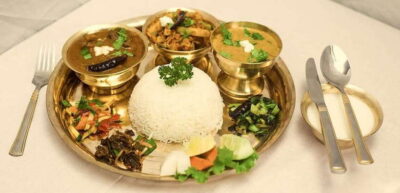
Dal bhat is another possible part of the menu. The dish is closely associated with everyday Nepali eating and usually brings together lentils, rice, and accompanying flavors. In a cooking class, it offers a useful contrast to momos because it teaches you how separate components come together as a full meal.
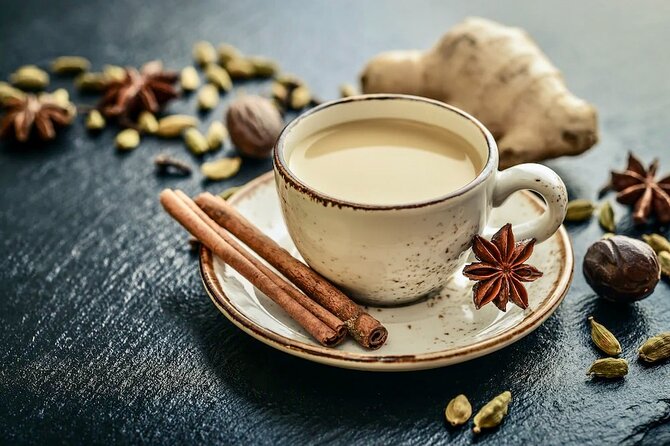
You may also prepare carrot pudding, a sweet dish that adds variety to the session. Nepali masala tea is included during the lesson, giving you another familiar local flavor to sample while you cook.
The menu is not described as a fixed list for every class. That is helpful for choice, but it means you should check the available options when booking or at the start of the session. If you have a specific dish in mind, ask about it early rather than assuming it will be offered that day.
The cooking itself is guided step by step. You use the supplied equipment and accessories, so you do not need to bring cooking tools. The instructors demonstrate the work and then let you do it. This is much more useful than simply receiving a recipe card, since you can see the texture of dough, the consistency of a mixture, and the timing of each stage.
More Momo Making Classes in Kathmandu
- Kathmandu: Traditional Momo Making Class & Pickup
★ 4.8 · 60 reviews - Traditional Nepali Momo Making Classes
★ 5.0 · 53 reviews - Kathmandu: Local Women-Lead Nepali Cooking & Momo Class
★ 4.9 · 45 reviews - Kathmandu: Local Lead Nepali Cooking & Momo Making Class
★ 4.9 · 40 reviews
Eating what you made
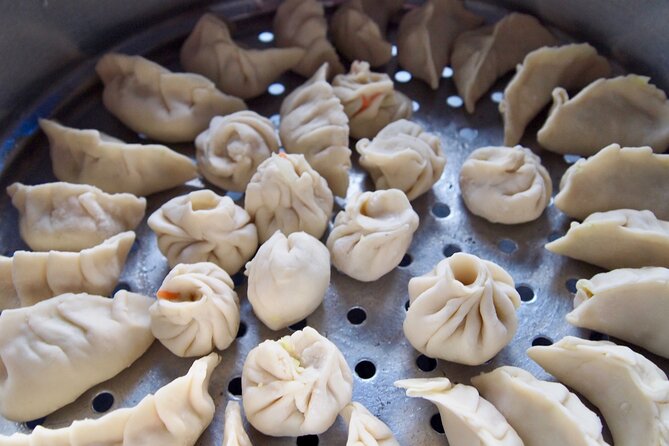
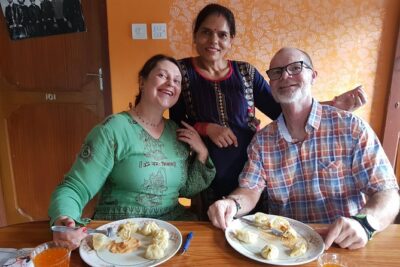
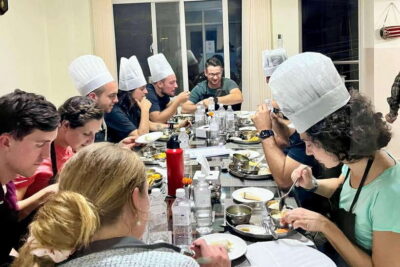
At the end, everyone sits down to taste the food prepared during the class. This final meal is more than a reward for finishing the work. It lets you compare the results, ask last questions, and see how the different dishes fit together.
The tasting session is included in the price, as are the ingredients and use of equipment. Specialty drinks and alcohol are not included, so budget separately if you want anything beyond the Nepali masala tea prepared during the lesson.
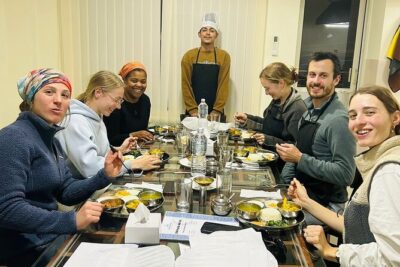
The meal can also be a social part of the morning. The group may include people from several countries, and the shared work gives you an easy way to talk without forcing conversation. You have already kneaded dough together, filled dumplings, and waited for food to cook. By the time you eat, introductions tend to feel less awkward.
I would not book this class solely for a large meal. The portions and menu can vary, and the main purpose is instruction. Still, eating the food you prepared gives the class a satisfying finish and helps you remember the techniques.
What the $35 price really covers
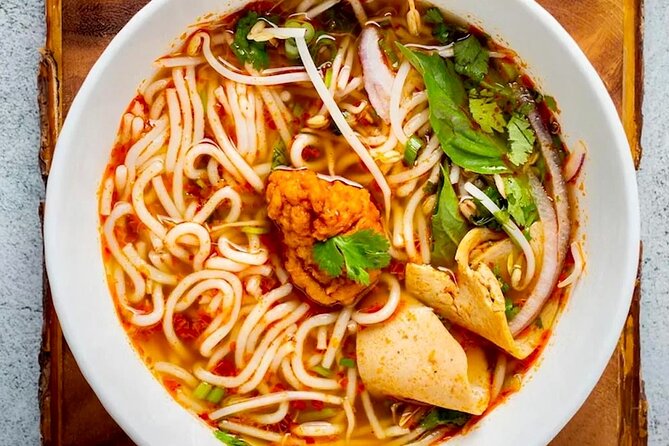
At $35 per person, this is a reasonable value for a three-hour activity in central Kathmandu. You are paying for more than a meal. The price includes the market or shop visit, cooking instruction, ingredients, equipment, Nepali masala tea, and the food tasting.
That package makes the class especially useful early in your Nepal trip. You get an introduction to local ingredients and several dishes, then have the rest of your holiday to recognize them on restaurant menus. If you already plan to eat momos and dal bhat, the class gives those meals some background.
The price does not include tips, specialty drinks, or alcoholic drinks. Tipping is not built into the stated cost, so carry some extra cash if you want to thank the instructors. Hotel pickup and drop-off are included only if you select that option.
Group discounts are available, which may improve the value for families or small groups. The maximum group size is eight. That is small enough for direct instruction, but you should not expect a private class unless you book the available arrangement for your own party.
Timing, meeting point, and transport
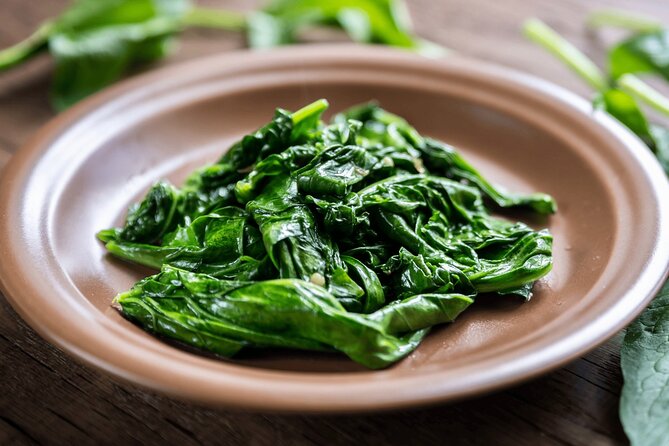
The class lasts about three hours. The start and end point is Kathmandu Cooking Academy, Nepali Cooking Class, on Yapikhya Marg in Kathmandu 44600. The activity ends back at the meeting point.
Thamel is served by public transportation, and the meeting point is near public transport. If you are staying nearby, meeting at the academy may be simple. If you would rather avoid finding the address in Kathmandu traffic, select the pickup option when booking.
Pickup is not automatic for every booking. Check that you have chosen the correct option, and confirm the pickup details after booking. Confirmation is provided at the time of booking.
The timing is best for a morning or early afternoon plan, though the supplied information does not specify an exact start time. Leave some space around the three-hour duration. Shopping, preparation, cooking, and eating all form part of the session, and you will enjoy it more if you are not watching the clock.
The class is booked, on average, 17 days ahead. That is a useful warning for a short Kathmandu visit. If you know you want to cook, reserve before arrival rather than waiting until the day before.
Who will enjoy this class most
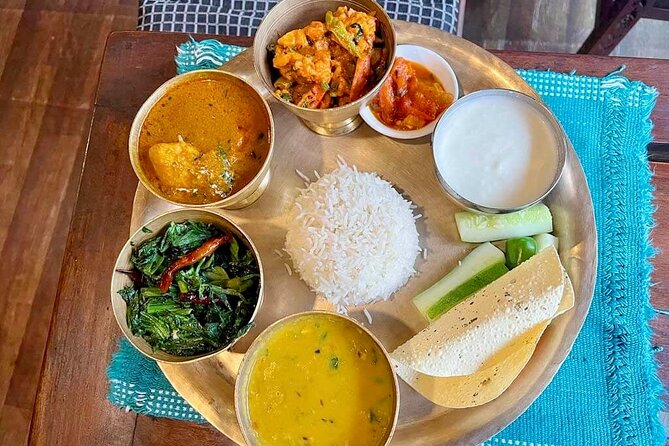
I would recommend this activity to anyone who likes to learn by doing. It suits people who want more than a restaurant meal and who do not mind getting involved with dough, spices, chopping, and shared equipment.
It is particularly good for:
- First-time visitors to Nepal who want a simple introduction to local food
- Momo fans who want to learn the folding and cooking process
- Families and friends who enjoy a shared activity
- Solo visitors who like meeting a small group over food
- People who want recipes and techniques they can repeat at home
- Anyone staying in or near Thamel who wants a convenient half-day plan
It may be less suitable if you want a relaxed meal with no work, or if you dislike group activities. The cooking is hands-on, and the class has a set three-hour schedule. You should also tell the provider about food concerns before the class if you have them, since the available information does not specify dietary substitutions.
Practical booking advice
Book at least several days ahead, especially during a short stay, since the class is often reserved well before the date. A confirmation arrives when you book, and free cancellation is available until 24 hours before the start time.
If you cancel inside that 24-hour window, you will not receive a refund. Changes made within 24 hours are also not accepted. The cut-off follows Kathmandu local time, so check the local start time carefully if you are booking from another country.
Wear something comfortable for kitchen work. The provided information does not set a dress code, but practical clothing makes kneading and cooking easier. Arrive ready to participate rather than simply observe.
If you want hotel transport, choose it during booking. If you prefer to meet at the academy, allow time to reach Yapikhya Marg and confirm the meeting instructions.
Should you book the Kathmandu momo class?
Yes, if you want a practical introduction to Nepali food at a fair price. The combination of market shopping, hands-on cooking, local women instructors, a small group, and a shared meal gives the morning a clear purpose.
The strongest reason to book is the balance between instruction and participation. You are not only shown how momos or dal bhat are made. You help choose the ingredients, prepare the food, and eat the results.
Skip it if your schedule is too tight for three hours, if you want a fully private lesson, or if you prefer sightseeing without a cooking component. For most people staying in Kathmandu, though, this is an easy way to connect food with daily life, and a useful break from the usual circuit of temples and monuments.
FAQ
How long does the Kathmandu cooking class last?
The class lasts approximately three hours, including the market or shop visit, cooking instruction, and tasting session.
Where does the activity begin?
It begins at Kathmandu Cooking Academy, Nepali Cooking Class, on Yapikhya Marg in Kathmandu 44600, Nepal.
Where does the activity end?
The class ends back at the meeting point.
Is hotel pickup available?
Yes. Hotel pickup and drop-off are available if you select that option when booking.
What food might I prepare?
Possible dishes include momos, dal bhat, carrot pudding, and Nepali masala tea. The menu may allow you to choose dishes.
Are ingredients and cooking equipment included?
Yes. The price includes the ingredients, cooking equipment and accessories, instruction, and tasting of the food you prepare.
How large is the group?
The activity has a maximum of eight people.
Can I cancel for a full refund?
Yes, if you cancel at least 24 hours before the experience start time. Cancellations made less than 24 hours before the start time are not refunded.
More Workshops in Kathmandu
- Knife (Khukuri) Making Workshop- Forge of the Gurkhas
★ 5.0 · 143 reviews - The best Private Nepali Cooking Class in Kathmandu
★ 5.0 · 83 reviews - Knife Khukuri Making Workshop
★ 4.9 · 38 reviews - Best Nepali Cooking Class in Thamel with Local Market Trip
★ 5.0 · 26 reviews
Just added around Kathmandu
- Traditional Momo Making Class★ 5.0 · 10 reviews
- Women Empowerment Project(Nepali cooking class & jewelry workshop★ 5.0 · 15 reviews
- Manthali Airport (Ramechhap) To Kathmandu – Transport Service★ 4.5 · 11 reviews
- Amazing 1 Day Trekking Experience in Kathmandu Nepal★ 5.0 · 24 reviews
- Walking tour of Kathmandu with awesome local guides★ 5.0 · 4 reviews
- Walking tour of real Kathmandu through back streets.★ 5.0 · 3 reviews
- Private Manaslu Circuit Trek at Himalayas★ 5.0 · 3 reviews
- Walking Street Food Tour in Kathmandu★ 5.0 · 111 reviews
Momo Making Classes, compared.
Nepalese Momos or Dal Bhat Cooking Class (Cook with Delight)
Read our review →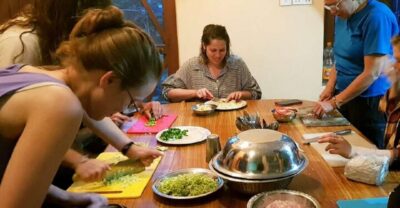
Nepalese Kitchen in Pokhara: Momos or Dal Bhat Cooking Class
Read our review →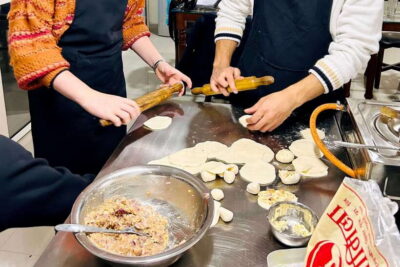
Browse the lists this tour appears in